Infectious Disease Wastewater Surveillance Program
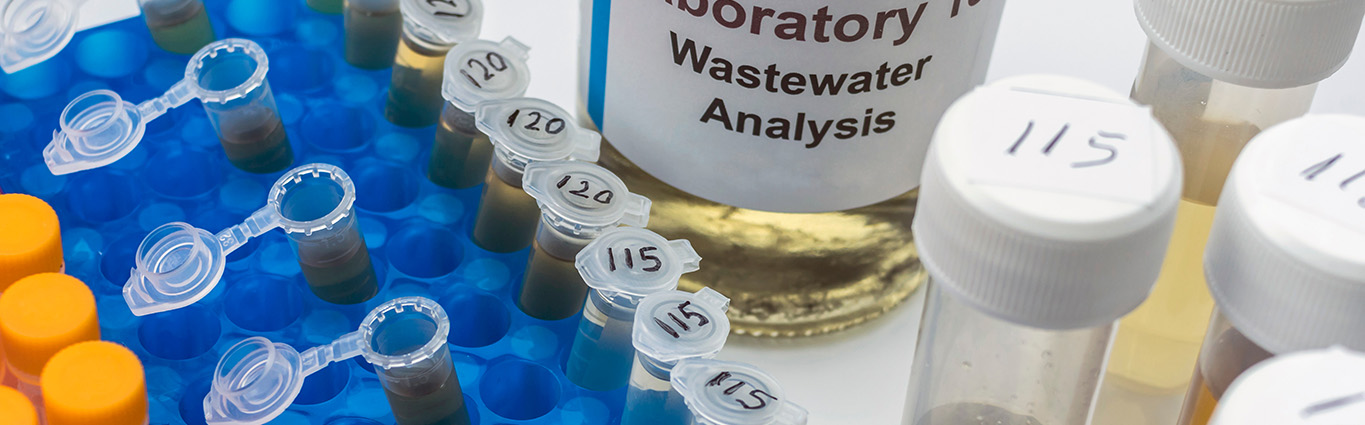
Wastewater (sewage), includes water from toilets, showers, sinks, and other appliances from buildings and homes. This water contains respiratory secretions, urine, and fecal waste (poop). Wastewater also includes rain and industrial water. Certain kinds of pathogens (bacteria, viruses, and fungi) can be detected in communities by testing wastewater, even if people don’t have symptoms of illness.
The ACHD Public Health Laboratory tests wastewater from several county water authorities. Because the water samples come from water authorities that serve different communities, testing results help the health department identify which areas in the county are experiencing an increase of a particular pathogen. Wastewater surveillance is conducted in collaboration with participating water authorities that expressed interest in contributing to public health practice. The health department welcomes additional partnerships. Interested water authority partners can contact the health department for more information.
While wastewater surveillance is an important public health tool to track pathogen trends in sewage, it must be paired with clinical data to provide an accurate picture of public health. Because shedding rates vary by person, disease severity, and virus strain, wastewater cannot tell us how many people may be infected with a virus in a particular area. It also cannot tell us if the individual(s) contributing to the detection are residents of a certain area or if they are just traveling through a certain area. Communities outside municipal sewer networks where sampling occurs, people who use diapers, and people who use private septic tanks are generally not included in wastewater surveillance data.
The ACHD Infectious Disease Epidemiology program uses wastewater test result data along with clinical test data (human infections), and emergency department visit data to better understand what infectious diseases are increasing or decreasing in our community. This information helps the department identify outbreaks and act quickly to prevent the spread of infections in our community. ACHD does this by sharing steps that community members can take to prevent infections and ensuring that healthcare providers are aware of their patient’s risk of exposure to different pathogens. For example, the health department may alert healthcare providers in a particular area of the county that they could see more patients with similar illness, giving them time to prepare. ACHD maintains a respiratory virus disease dashboard so everyone can benefit from the respiratory virus wastewater testing data. People can use this information to help make decisions about wearing a mask or attending large indoor events that could increase the risk of disease transmission.
Resources
CDC Wastewater Monitoring Program
Pennsylvania Wastewater Surveillance System (PaWSS)
